Posted on 02/10/2026
Wedding flowers Kelsey Park Bromley Common florist: a practical guide to beautiful wedding floristry
Planning Wedding flowers Kelsey Park Bromley Common florist arrangements can feel exciting, a bit overwhelming, and oddly personal all at once. One minute you're thinking about colour palettes and bouquets, the next you're wondering whether buttonholes need to match, how early to book, and what actually works in real life at a local venue. That is exactly why this guide exists. It brings together the practical side of wedding floristry with the local feel of Kelsey Park, Bromley Common, and the everyday decisions couples make when they want flowers that look lovely in person, photograph well, and hold up through the day.
Truth be told, wedding flowers are rarely just "flowers". They shape the first impression, carry the colour story, and quietly tie the whole day together. If you want guidance that feels grounded, not fluffy, you're in the right place.
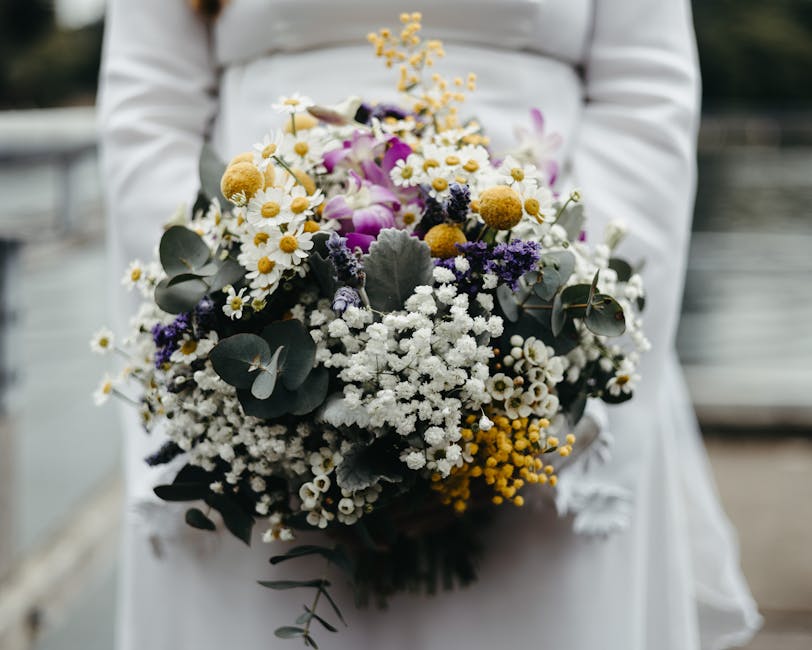
Table of Contents
- Why Wedding flowers Kelsey Park Bromley Common florist Matters
- How Wedding flowers Kelsey Park Bromley Common florist Works
- Key Benefits and Practical Advantages
- Who This Is For and When It Makes Sense
- Step-by-Step Guidance
- Expert Tips for Better Results
- Common Mistakes to Avoid
- Tools, Resources and Recommendations
- Law, Compliance, Standards, or Best Practice
- Options, Methods, or Comparison Table
- Case Study or Real-World Example
- Practical Checklist
- Conclusion
- Frequently Asked Questions
Why Wedding flowers Kelsey Park Bromley Common florist Matters
Wedding flowers do more than decorate a venue. They set tone, soften hard edges, and help the whole celebration feel intentional. In a local setting like Kelsey Park or around Bromley Common, the style of the day often matters as much as the flowers themselves. Some couples want romantic and airy. Others want bold colour, crisp white blooms, or a refined seasonal look that feels quietly elegant rather than showy.
That balance matters because weddings are full of moving parts. Flowers have to work with the dress, suits, venue, lighting, weather, photography, and timing. If they are too elaborate, they can feel heavy or awkward. Too sparse, and the room can feel unfinished. A good florist helps you avoid that uncomfortable middle ground where things are expensive but somehow still not quite right.
There is also a very practical reason this matters locally. A florist familiar with Bromley Common delivery routes, local traffic patterns, and the rhythm of wedding mornings can plan better. A bouquet arriving late because of a poor schedule is the sort of headache nobody needs at 8:30 a.m., especially when someone is trying to pin a buttonhole and sip tea at the same time.
Expert summary: The best wedding flowers are not simply the prettiest ones. They are the ones that suit the venue, the season, the budget, and the way your day actually unfolds.
How Wedding flowers Kelsey Park Bromley Common florist Works
Wedding floristry usually starts with a consultation, even if it's just a structured phone call or email exchange. You share the date, venue, number of guests, colour preferences, and what flowers you already know you like or dislike. From there, the florist translates ideas into a workable plan. Simple enough on paper. In practice, there are quite a few moving pieces.
The process often includes choosing core items such as bridal bouquets, bridesmaid bouquets, buttonholes, ceremony flowers, table arrangements, and sometimes a statement piece for a top table, aisle, or entrance. For smaller weddings, the brief may focus on just a few well-chosen arrangements. For larger celebrations, the florist may build a more layered scheme with repeating shapes and colours to keep the look cohesive.
One of the things people don't always expect is how much the season affects availability. A flower that looks perfect in spring may not be the best option in high summer or late autumn. A thoughtful florist will guide you towards blooms that are realistic for your date, not just beautiful in a mood board. That's the difference between wishful planning and actual results.
For couples who want to browse wedding-specific options first, the weddings collection is a useful place to start. If you are narrowing down personal pieces, you may also want to look at bridal bouquets, bridesmaid bouquets, and buttonholes for the groom party.
Key Benefits and Practical Advantages
Good wedding flowers do several jobs at once. They look good, yes, but they also reduce visual clutter, unify the styling, and make photos feel more complete. A bouquet can echo the colour in your stationery. A table arrangement can bridge the gap between table linen and centrepieces. Tiny details like that are easy to overlook, until you see them working together and think, oh, that's why it feels polished.
Here are the practical advantages couples usually notice most:
- Consistency: Repeating flowers and colours across bouquets, tables, and buttonholes creates a joined-up look.
- Better photos: Flowers add softness, texture, and depth on camera, especially in outdoor spaces and bright rooms.
- Emotional impact: The right bouquet can make the day feel more personal and memorable.
- Venue balance: Flowers can soften plain rooms or complement more characterful settings without overpowering them.
- Guest experience: Table arrangements and ceremony flowers help guests feel the care that has gone into the day.
There's also a budget benefit when flowers are planned properly. That may sound counterintuitive, because weddings and budgets rarely behave themselves. But working from a clear structure helps prevent random add-ons, last-minute substitutions, and the classic "we just need one more arrangement" spiral. Been there, seen that.
If you're trying to keep spending sensible, a florist can often suggest ways to get a fuller look without overbuying. For example, a bridal bouquet can be more detailed while bridesmaid bouquets are kept lighter, or table flowers can be designed in a way that can be reused later in the day. Little efficiencies like that really do add up.
Who This Is For and When It Makes Sense
This kind of local wedding floristry guidance is useful for a few different types of couples. Some know exactly what they want and simply need a florist who can execute it properly. Others have only a vague idea and need help turning "soft and romantic, but not too pink" into something real. And then there are the practical planners, the ones who want to know what is worth paying for and what can be simplified without the day losing its charm. Fair enough, honestly.
It makes sense if you are:
- planning a wedding near Kelsey Park or in the Bromley Common area
- looking for a florist who understands local delivery and timing
- shopping for bridal bouquets, bridesmaid flowers, or buttonholes
- trying to match flowers to a venue, dress, or seasonal theme
- comparing wedding flower ideas before booking
- worried about over-ordering or choosing flowers that do not suit the date
It also makes sense if the wedding is a bit unconventional. Maybe you're having a small civil ceremony, a mixed-style celebration, a second-time-around wedding, or a more relaxed gathering where flowers need to be elegant but not overly formal. In those cases, a florist can help you avoid making the arrangements feel either too stiff or too casual. That balance is the sweet spot.
Step-by-Step Guidance
Here is a sensible way to approach wedding flowers without losing sleep over every bloom.
- Start with the venue and mood. Is the setting bright, intimate, traditional, modern, indoor, or outdoor? A venue with lots of natural detail may need fewer flowers than a blank room.
- Decide your priority pieces. Most couples begin with the bridal bouquet, then bridesmaid bouquets, buttonholes, and table flowers. If budget is tight, decide what matters most before anything else.
- Choose a colour direction. You do not need a strict palette, but you do need a direction. Soft whites and greens, blush and cream, jewel tones, or mixed seasonal colour all behave differently in a room.
- Think seasonally. Seasonal flowers usually give you the best value and the most natural look. A florist can suggest substitutes if a particular bloom is unavailable or unsuitable for the time of year.
- Confirm quantities and sizes. It sounds obvious, but "small," "medium," and "statement" can mean different things to different people. Ask for visual clarity, not vague reassurance.
- Plan delivery timing carefully. Wedding flowers need enough time to be placed, checked, and adjusted. On the day, nobody wants a rushed handover.
- Review setup responsibilities. Some florists deliver only. Others may place arrangements at the venue. Make sure you know who is doing what.
- Finalise the details in writing. Confirm colours, flower choices, delivery address, times, contact numbers, and any venue restrictions.
A small but useful tip: if you have a bouquet reference image, send a few examples rather than one. One picture may show the colour you love, while another shows the shape you want. That is much more useful than asking someone to read your mind. Nobody can do that, not even on a good day.
Expert Tips for Better Results
After you've seen enough wedding flowers up close, a few patterns start to stand out. The couples who are happiest usually make decisions early and keep their brief clear. They do not try to make every arrangement carry a different mood. They choose a visual thread and let it run through the day.
Here are a few expert tips that genuinely help:
- Use one main focal flower and a supporting cast. This keeps the design elegant rather than chaotic.
- Mix textures, not just colours. Petal shapes, foliage, and flower sizes make arrangements feel richer.
- Ask what will still look good after a few hours. Some blooms open beautifully, while others can become fragile in warm rooms or direct sun.
- Build for photos, but also for the room. A bouquet should not only look good in close-up. It should feel right when viewed from across a ceremony space too.
- Keep buttonholes simple. They should look neat, secure, and comfortable to wear. No one wants a buttonhole that droops halfway through speeches.
- Consider reuse. Ceremony flowers may be moved to a reception table, entrance, or gift area if planned in advance.
And one more thing: do not be afraid of restrained design. A smaller, well-composed arrangement often looks more expensive than a crowded one. Less can be more, even if the heart wants every flower in the shop.
Common Mistakes to Avoid
Wedding flower mistakes are usually not dramatic. They are practical. Small things that snowball. The good news is they are avoidable.
- Leaving flowers too late. Good dates book up, especially during popular wedding months. Leaving it until the last minute narrows your options.
- Choosing flowers without thinking about the venue. A large display may overwhelm a small room, while a tiny bouquet may disappear in a grand setting.
- Ignoring the season. Some flowers are simply not the best choice for your date, or they may need more care and budget.
- Overcomplicating the brief. Too many colour directions or too many must-have flowers can make the final design feel muddled.
- Forgetting the practical details. Delivery timing, contact names, setup instructions, and access arrangements matter more than people expect.
- Assuming every arrangement needs to match exactly. Matching is not the same as harmonising. A coordinated mix usually feels better.
One common trap is the "pin this image and copy it exactly" approach. It sounds neat, but floristry is affected by season, flower quality, and availability. A good florist can absolutely recreate the feeling of an image, but exact duplication is not always realistic. Better to ask for the style, not the carbon copy.
Tools, Resources and Recommendations
You do not need a complicated toolkit to plan wedding flowers well, but a few simple resources make the process smoother. A shortlist of inspiration images helps. So does a note on your phone with colour ideas, venue names, dress details, and any flowers you dislike. If you know your wedding date, that's especially useful, because it shapes what seasonal flowers may be available.
Useful things to have ready include:
- a venue name and address
- the wedding date and ceremony time
- photographs of the dress, suit, or overall styling mood
- a rough guest count
- any flowers you definitely want or definitely do not want
- delivery contact details for the day
For product ideas, the bridal bouquet range, table arrangements, and wedding corsages can help you think through the full picture. If you are planning other floral occasions around the wedding, the wider all flowers selection can also help you compare styles and tones.
For ongoing care once flowers arrive, the site's flower care guidance is useful because even beautiful arrangements benefit from a calm, sensible hand. That means cool water, clean containers where needed, and not leaving arrangements in hot cars. Common sense, really, but easy to forget on a frantic wedding morning.
Law, Compliance, Standards, or Best Practice
Wedding flowers are not a heavily regulated purchase in the way some specialist goods are, but there are still sensible standards and best practices worth following. A reliable florist should be clear about what is included, what is not, how delivery works, and what happens if there is a change in stock or timing. Clear terms matter. So does realistic communication.
In the UK, good practice usually includes written confirmation of the order, delivery details, and any special instructions. If flowers are to be placed at a venue, the florist should understand any access rules, setup windows, and contact arrangements. Many venues have their own practical requirements, and it helps to check those early rather than discovering them the day before.
It is also wise to review policies on payment, returns, and substitutions before booking. Wedding flowers are often time-sensitive and made from natural materials, so substitutions can be necessary. That does not mean "anything goes"; it means the florist should use care and keep the design style consistent. If a flower is unavailable, the substitute should still suit the overall look.
Where sustainability matters to you, ask how stems are sourced, whether foam is avoided where possible, and how waste is managed. The sustainability page is a useful reference point if you want to understand broader shop values. If you also want to see ordering details, the terms and conditions, delivery information, and guarantees pages can help set expectations plainly.
Options, Methods, or Comparison Table
Different wedding flower approaches suit different budgets, venues, and levels of formality. Here's a simple comparison to help you think clearly.
| Option | Best for | Strengths | Watch out for |
|---|---|---|---|
| Hand-tied bridal bouquet with a few matching pieces | Smaller weddings, intimate ceremonies | Elegant, manageable, often cost-efficient | Can feel too minimal if the venue is large |
| Coordinated full set of bouquets, buttonholes, and table flowers | Traditional weddings with clear styling | Cohesive, polished, photo-friendly | Needs more planning and a clearer budget |
| Statement ceremony florals with simpler guest table designs | Couples who want visual impact | Strong first impression, great for ceremony photos | May require careful reuse planning |
| Seasonal mixed florals with flexible design | Budget-aware couples and natural-style weddings | Fresh, lively, adaptable to availability | Less control over exact blooms |
If you are deciding between a more structured collection and a bespoke mix, start with the items that matter most to you. A bridal bouquet and one beautiful statement arrangement can sometimes do more visual work than several smaller pieces. That's not a rule, just a useful reality.
Case Study or Real-World Example
Here's a real-world style example from the sort of planning many couples face. Imagine a late-spring wedding near Bromley Common with a ceremony in the morning and a relaxed reception later in the day. The couple want something romantic, but not overly formal. One partner likes white and green. The other wants a hint of blush because, as they put it, "otherwise it feels a bit too serious." Fair enough.
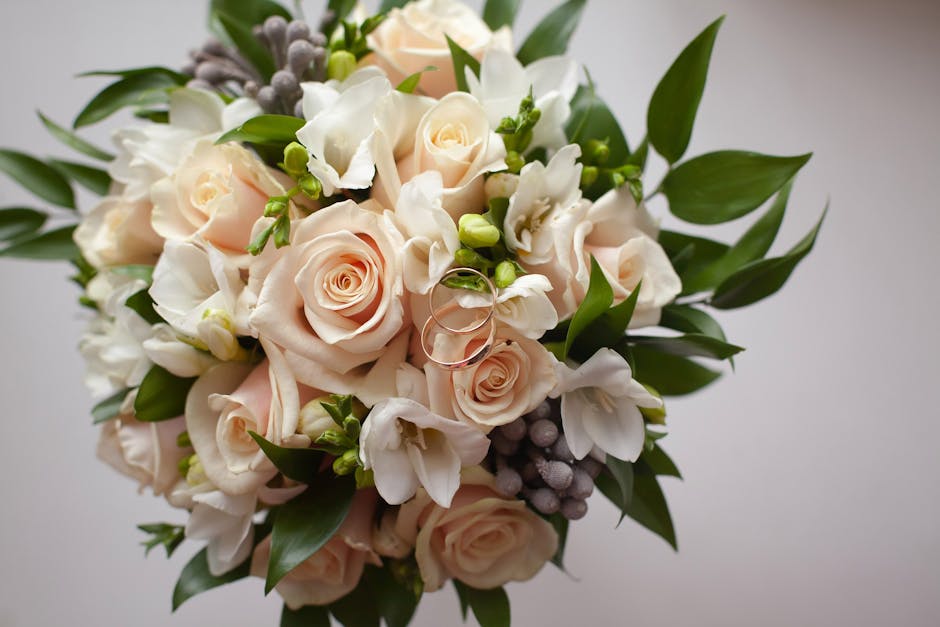
The florist might suggest a white-focused bridal bouquet with soft blush accents and plenty of seasonal greenery. Bridesmaid bouquets could be smaller and lighter, using the same family of flowers so the look stays cohesive. Buttonholes might be kept clean and simple, while table arrangements use lower designs so guests can talk without peering around a hedge of roses.
What usually happens in a setup like this is that the flowers quietly carry the whole room. Nothing shouts. Everything just works together. The ceremony photos look calm, the tables feel finished, and the bouquet still feels good in the hand during the slightly awkward, very human moment of walking down the aisle while trying not to grip the stems too tightly.
That is the kind of result most couples are actually after. Not perfection. Just beauty that feels settled and sincere.
Practical Checklist
Use this checklist before you finalise your wedding flowers:
- Confirm your wedding date, venue, and ceremony time
- Decide the priority items: bouquet, bridesmaid bouquets, buttonholes, table flowers, ceremony flowers
- Choose a colour direction and mood
- Share dress, suit, and venue details with the florist
- Check seasonal availability for key flowers
- Ask about substitutions if a flower is unavailable
- Confirm delivery address, timing, and who will receive the flowers
- Ask whether setup is included or not
- Review written order details carefully
- Plan how arrangements may be reused after the ceremony
- Keep contact details handy for the day itself
If you tick these off in advance, you will save yourself a fair bit of stress. Not all stress, let's be realistic, but enough to make the morning easier.
Get a free quote today and see how much you can save.
Conclusion
Choosing Wedding flowers Kelsey Park Bromley Common florist services is really about finding the balance between style, practicality, and trust. The best floral plans are not the loudest or the most complicated. They are the ones that fit the day, suit the people getting married, and make the whole event feel more complete without becoming a distraction.
If you keep your priorities clear, think seasonally, and choose arrangements that match the venue and the pace of the day, you'll be in a strong position. And if you leave space for a florist's experience to guide the final details, even better. That little bit of expert judgement often makes all the difference.
In the end, the right flowers should feel like they belong there. Quietly, beautifully, and exactly where they should be.
Frequently Asked Questions
How far in advance should I book wedding flowers in Kelsey Park or Bromley Common?
It is usually wise to book as early as you can, especially if your wedding is in a popular season. Early booking gives you a better choice of design, more time to refine the brief, and less last-minute pressure.
What wedding flowers are best for a spring ceremony?
Spring weddings often suit soft, fresh designs with seasonal blooms and light greenery. A florist can suggest flowers that feel natural for the time of year without forcing a rigid colour scheme.
Can I have a bridal bouquet and keep the rest of the flowers simple?
Yes. Many couples choose to make the bridal bouquet the main feature while keeping bridesmaid bouquets, buttonholes, and table flowers more restrained. It can be a very elegant way to manage budget and still look polished.
Do wedding flowers need to match the venue exactly?
No, they do not need to match exactly. It is usually better if they complement the venue's style, colours, and mood. Matching too closely can sometimes feel flat, while thoughtful contrast can look richer.
What if my favourite flower is not available on the date of my wedding?
A good florist should suggest a suitable substitute that preserves the look and feeling of your design. Seasonal flexibility is part of the process, and it often leads to a more reliable result anyway.
Are buttonholes and corsages necessary?
They are not mandatory, but they do help create a coordinated look for the wedding party. If you want a more traditional or formal style, they are often worth including.
How do I keep wedding flowers within budget?
Focus on the items that matter most, choose seasonal blooms, and avoid adding lots of small extras without a purpose. It also helps to reuse arrangements where possible rather than ordering separate flowers for every area.
Can wedding flowers be reused from the ceremony to the reception?
Often, yes. Ceremony flowers can sometimes be moved to the reception if the florist and venue plan for it in advance. This works especially well for entrance arrangements, aisle flowers, and larger focal pieces.
What should I tell the florist at the first conversation?
Share your wedding date, venue, colour ideas, guest count, and any flowers you love or dislike. If you have dress or decor images, those help too. The more context you give, the easier it is to shape the right proposal.
How do I know if the florist understands my style?
You'll usually feel it in the questions they ask. A good florist will not just nod and agree; they will ask about the venue, season, budget, and how the flowers need to function on the day.
What is the difference between a wedding bouquet and a bridesmaid bouquet?
A bridal bouquet is usually the main floral piece and may be fuller or more detailed. Bridesmaid bouquets are often smaller and simpler so the overall look feels balanced rather than identical.
Do I need to worry about delivery and setup on the day?
Yes, because timing matters. Confirm exactly when flowers will arrive, who will receive them, and whether setup is included. A smooth handover makes the whole day easier and reduces avoidable stress.